

When it comes to tackling debt, one of the most powerful tools many Canadians overlook is their legal right to request proof of debt ownership. Understanding who actually owns your debt is the first critical step towards protecting yourself from invalid collections and working towards financial freedom.
If a collection agency or third-party creditor contacts you demanding payment, here’s the golden rule: No proof, no payment.
Below, we’ll walk you through five steps you can take to assert your rights, verify debt ownership, and move closer to becoming debt-free.
Step 1: Understand What Debt Ownership Means
Debt ownership refers to the legal right of a company or person to collect a debt from you. When you take out a credit card, loan, or line of credit, your original lender is the initial owner of that debt. However, creditors often sell or assign debts to other companies—usually collection agencies—without notifying you.
Buried deep in many credit agreements is a clause like this:
“We may, from time to time, without prior notice to you or your consent, sell or assign all or any part of the entire New Balance, Debt, and/or any other obligation(s) under this Agreement.”
Translation: your debt can be transferred to another party at any time. But here’s the catch—if the new creditor can’t prove they legally own the debt, they may have no right to collect it.

But Wait—What Is Securitization?
If you’re dealing with debt — credit cards, personal loans, or anything in between — you’ve probably heard terms like “interest rates,” “consolidation,” and maybe even “securitization.” While it sounds technical, securitization directly impacts debt ownership — and what kind of help you can actually get.
What is Securitization?
Securitization is when lenders bundle loans (like yours) and sell them to investors. Instead of waiting years for repayments, they get instant cash by selling off the debt.
In simple terms:
Your loan becomes part of a giant money smoothie — and someone else buys a sip.
Every time your loan is sold, debt ownership changes hands.
Why It Matters
The company you originally borrowed from might not legally own your loan anymore. That means:
-
Your debt may have been sold multiple times
-
The servicer could change
-
And if you’re trying to settle or consolidate, it’s easy to get lost in the shuffle
This is why it’s critical to request proof of debt ownership. Without it, you could be negotiating with someone who has no legal right to collect.
Debt consolidation companies like ours understand how securitization affects debt ownership. We work with the actual debt holders — not just whoever’s sending you letters — so you can deal with the right party and build a real plan forward.

Step 2: Know Your Right to Request Proof of Debt Ownership
In Canada, you have a legal right to ask any creditor or collection agency for proof that they own your debt. Until they provide this evidence, you are under no obligation to pay.
Proof of debt ownership should include:
-
A copy of your original credit agreement.
-
Legal documentation showing the assignment or sale of your debt to the new creditor.
-
A detailed record of all payments, charges, and interest applied to the account.
If they can’t produce this information, any attempt to collect may be considered invalid or unenforceable.

Step 3: Don’t Acknowledge the Debt
When a collection agency first contacts you, it’s tempting to explain your situation or agree to make a small payment. Don’t do this. Acknowledging the debt can restart limitation periods and give them more power over you.
Instead, respond calmly and request written proof of debt ownership before engaging further.

Step 4: Demand Validation in Writing
Send a formal debt validation letter asking for proof of ownership. In this letter, clearly state that you require:
-
The original credit agreement.
-
Documents proving the legal transfer of the debt.
-
A full account history.
Until they respond, you are not required to make any payments. If they refuse or fail to provide documentation, their collection efforts could violate Canadian consumer protection laws.
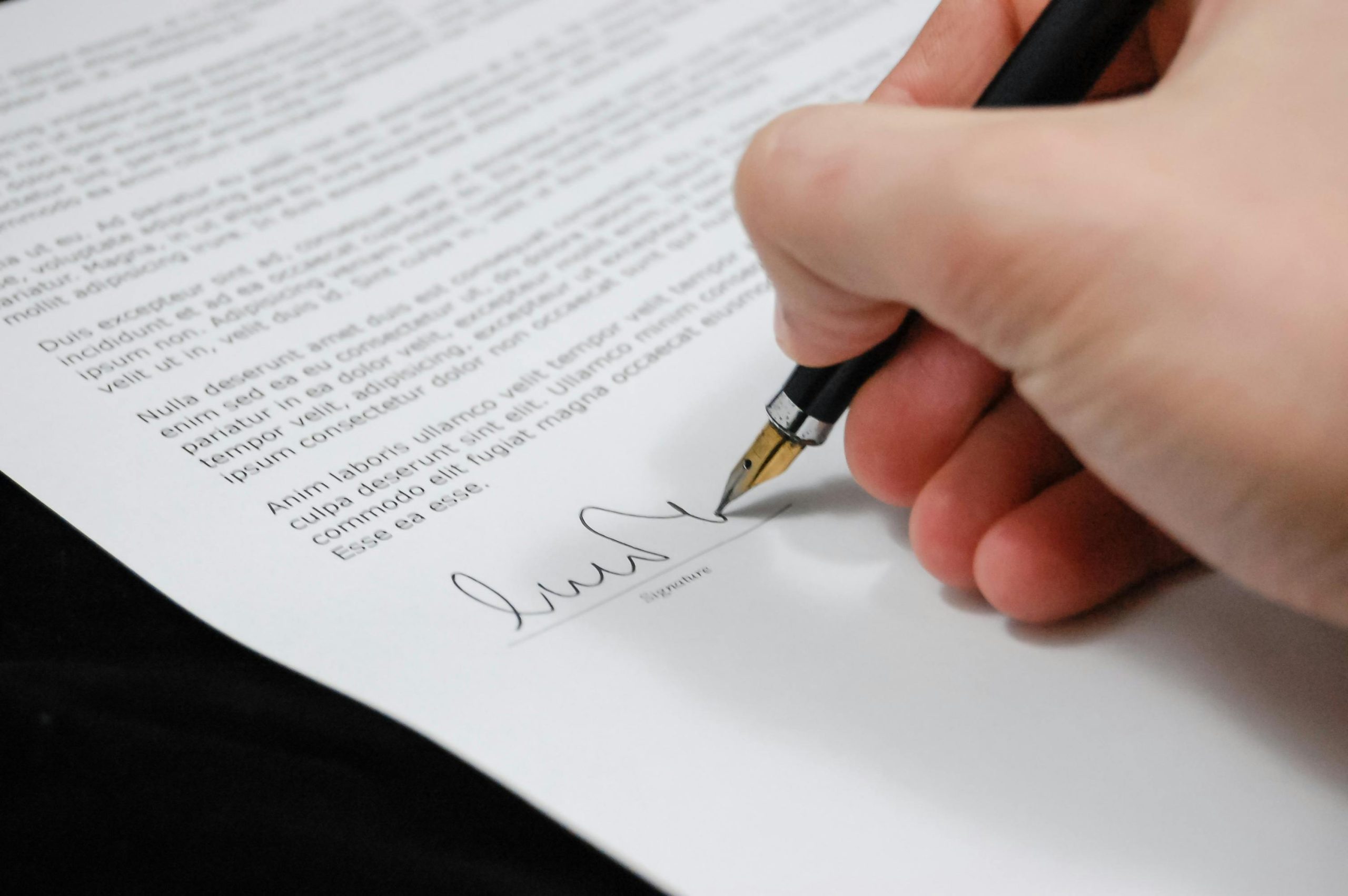
Step 5: Protect Yourself and Plan Your Next Steps
If the collection agency can’t prove debt ownership, you may not have to pay. If they do provide proof, review it carefully and consider your options:
- Negotiate a settlement.
- Set up a payment plan you can afford.
- Seek legal advice if needed.
By taking these steps, you ensure you’re only paying debts that are legitimately owed—a key part of becoming debt-free.

Bottom Line: No Proof, No Payment
Requesting proof of debt ownership isn’t just smart—it’s your legal right in Canada. Don’t let aggressive collection calls intimidate you into paying debts that may not even belong to the caller.
Taking the time to verify who owns your debt can protect you from scams, inflated charges, and invalid collections—and help you move confidently towards financial freedom.
Ready to Take Control?
Learn more about your rights as a consumer and how our services can help you navigate debt consolidation. Whether you’re dealing with collection agencies, unclear debt ownership, or securitized loans, we’re here to help you take back control and move forward with confidence.